Community-managed conservation areas vary widely in governance, tenure, funding, and ecological outcomes. The label does not guarantee that a reserve is equitable or effective. Evaluation should ask who sets rules, who holds rights, how benefits are shared, what threats are reduced, and whether biodiversity indicators improve over time.
International biodiversity policy recognises Indigenous Peoples and local communities and calls for equitable governance, but implementation is national and site-specific. A credible account should name the place, governing institutions, evidence, and time period. Avoid universal claims that community reserves always outperform other approaches; compare like with like and include local perspectives.
A reserve is a governance arrangement as well as a boundary
Community reserves describe a range of places where local people have a role in managing land or water for conservation and sustainable use. The legal form differs by country, and the term should not imply that every reserve is governed the same way. Some are recognized in national systems; others are community-led areas that may not appear in formal databases. A useful account names the local governance structure and explains who makes decisions. Conservation outcomes depend not only on drawing a boundary but on rights, institutions, funding, and whether communities can shape rules that affect their lives.
Coverage is not the same as effectiveness
The Kunming-Montreal Global Biodiversity Framework's Target 3 calls for areas to be conserved and managed effectively, connected ecologically, representative, and equitably governed. The target includes Indigenous and traditional territories where applicable. It does not say that a percentage of land automatically provides protection. Protected Planet data can map formal designations and other reported measures, but a map cannot show every outcome. UNEP-WCMC has noted gaps in global reporting on management effectiveness and outcomes. Readers should distinguish the area officially counted from evidence that biodiversity is being conserved and rights are respected.
Rights and conservation objectives need to meet
A reserve can support biodiversity and local stewardship when governance is fair and people have meaningful authority. It can also cause harm if access to customary resources is restricted without consent or compensation. Evaluating a reserve therefore requires more than ecological indicators. Researchers can ask who set the boundaries, how decisions are made, what benefits flow locally, and how grievances are handled. These questions are not separate from conservation performance: legitimacy affects whether rules are followed and whether management can last. Reports should describe documented arrangements rather than assuming that the word 'community' guarantees equitable governance.
Local knowledge can improve monitoring
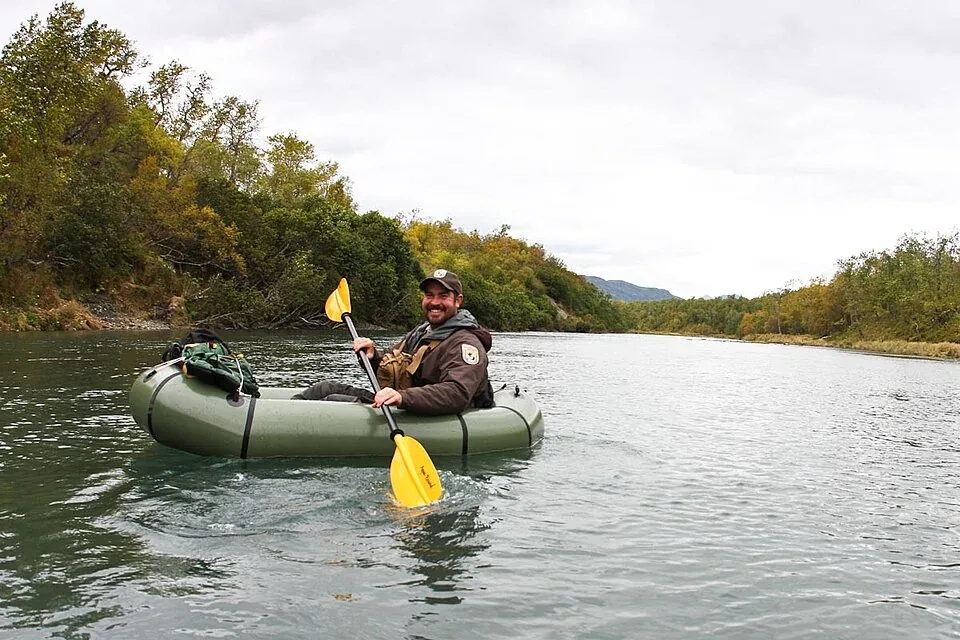
Residents may notice seasonal change, wildlife movement, fire patterns, and pressure points long before a short-term external survey. Combining local knowledge with ecological monitoring can strengthen decisions, provided that contributors choose how knowledge is shared and receive appropriate recognition. Sensitive cultural information or wildlife locations may need to remain private. Participatory mapping should not become a way to extract data without consent. A reserve's monitoring plan can define which indicators matter to local people as well as agencies, then report results back in a usable format. Trust is built through repeated collaboration, not a one-time consultation meeting.
Benefits need transparent accounting
Tourism, sustainable harvest, restoration work, and external grants may contribute to local economies, but benefits are not guaranteed or evenly distributed. A project should report who receives income, what costs are incurred, and whether funding continues beyond a pilot. Conservation claims about improved livelihoods should rely on measured outcomes or clearly attributed participant perspectives. It is also important to identify opportunity costs: restrictions on land use can affect food, mobility, or customary practices. A balanced account recognizes that local support depends on institutions and material realities, not simply on awareness campaigns.
A network can connect places and people
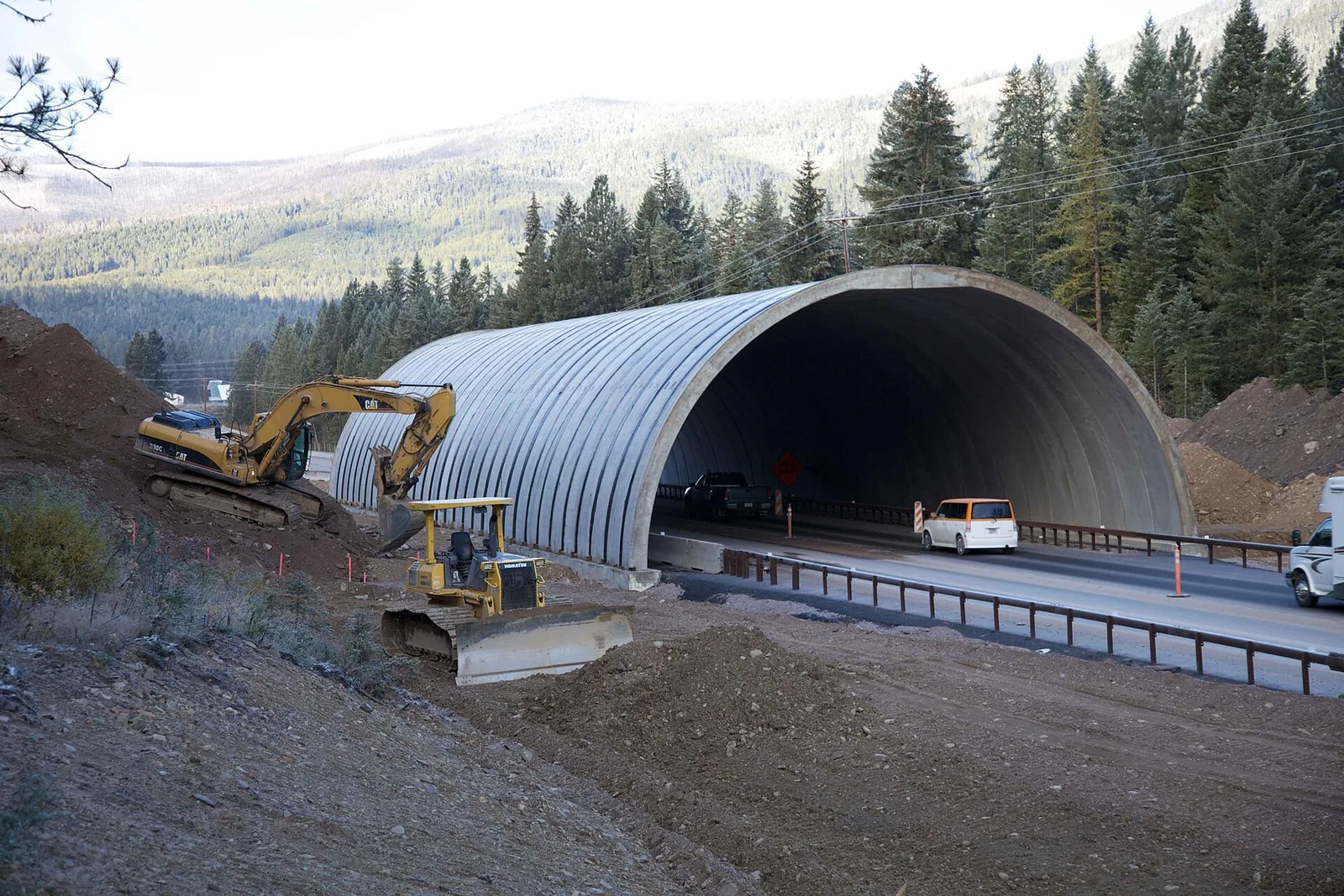
Community reserves may help connect formal protected areas through working landscapes, rivers, forests, or marine zones. Their contribution depends on where they are, what habitats they maintain, and whether wildlife can move between them. Global mapping can reveal gaps, while local surveys show whether a corridor is usable. Networks also involve social connections: shared monitoring, neighboring agreements, and pathways for resolving disputes. The framework's emphasis on ecological representation and equitable governance reflects this broader view. A reserve should be evaluated as part of a landscape, not as an isolated polygon on a map.
Questions to ask of a reserve claim
Ask for the reserve's name, legal or customary basis, management authority, and date of the evidence. What species or ecological functions are monitored? Are results public? Who participated in the decision, and how are rights recognized? Has the site been assessed for management quality, not merely listed in a database? These questions help distinguish a declaration from a functioning conservation arrangement. No single global indicator captures every local outcome. A strong story explains what is known, what is still unreported, and how communities themselves describe the reserve's purpose and future.
Governance affects conservation outcomes because rules are shaped, monitored, and enforced by people. Effective evaluations should look at representation, consent, tenure security, benefit sharing, and grievance processes as well as ecological measures. A map showing a community-conserved area cannot answer those questions on its own.
International targets can help direct attention and funding, but the language of participation must translate into local decision-making power. Long-term monitoring should be transparent and accessible to the communities involved. Avoid treating a designation or reported area as proof that biodiversity is improving.