Insects pollinate plants, decompose organic matter, cycle nutrients, and form food for many other animals. Their diversity is enormous, and different groups respond to different pressures. A broad statement that 'insects are disappearing' can hide large differences among taxa, regions, and monitoring methods; long-term standardised data are essential.
Habitat change, pesticides, climate shifts, invasive species, and disease can interact. Practical monitoring may track pollinator visits, occupancy, or abundance along repeatable transects, while management can provide diverse native plants and reduce unnecessary chemical use. The IPBES assessment explains the global evidence on pollinators; it should not be treated as a count of all forest insects.
Insects connect forest layers and processes
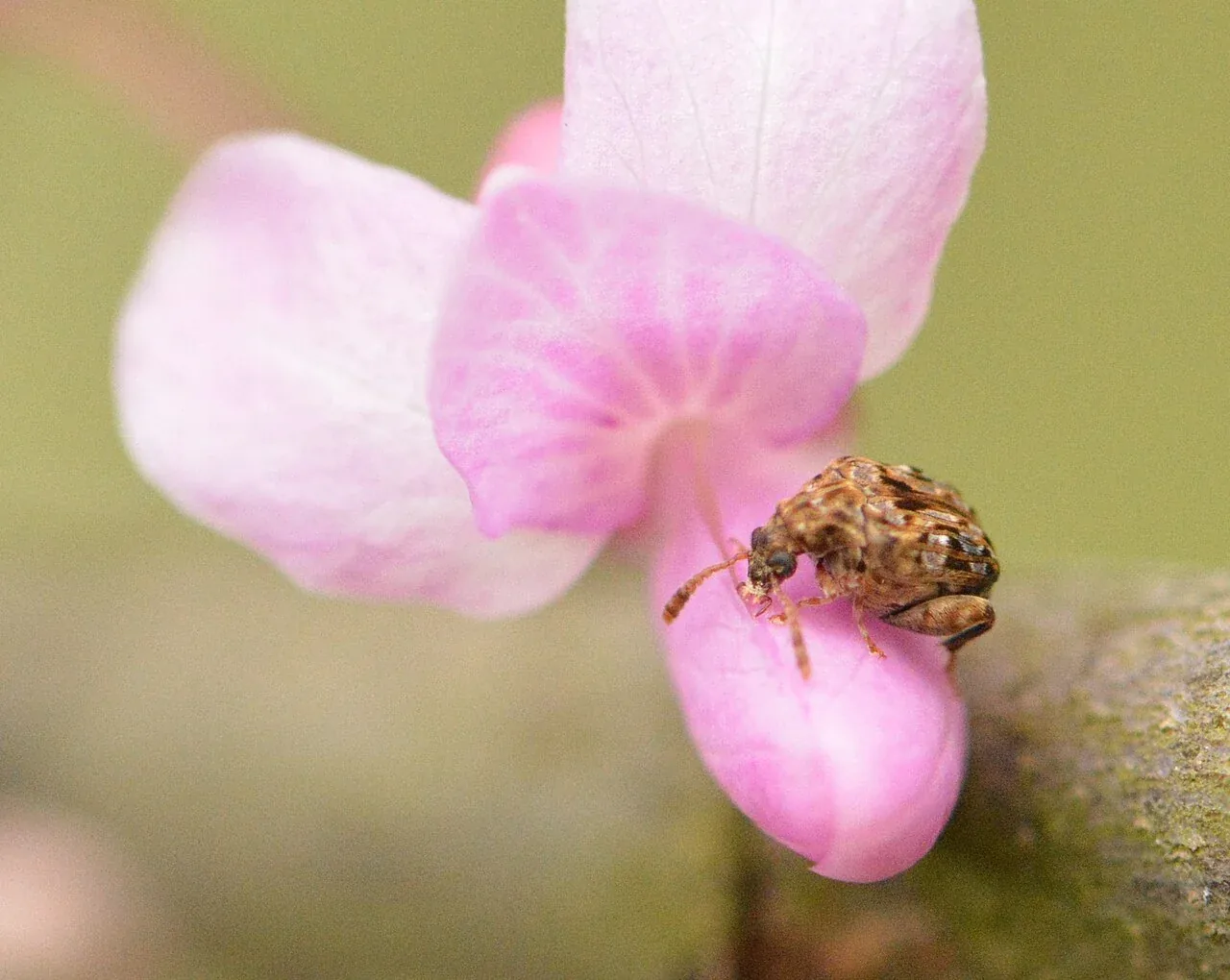
Insects pollinate plants, break down dead material, move nutrients, disperse seeds, and provide food for birds, bats, amphibians, and other animals. Forest ecosystems depend on many insect groups, not only familiar bees and butterflies. The abundance and behavior of insects can vary by season, canopy height, and microclimate. A forest insect survey may sample only a small part of this diversity, so a finding about one group should not be presented as a verdict on all insects. The strongest stories identify the taxon, region, method, and time period behind the observation.
Pollinator evidence has a defined scope
The IPBES assessment on pollinators, pollination, and food production synthesizes evidence about wild and managed pollinators and the services they provide. It is not a census of every insect in every forest. That distinction matters when using a pollinator report to make claims about forest biodiversity. Pollination is one ecological function among many, and its importance varies with plant species and landscape. Researchers can measure visitation, pollen transfer, fruit set, and pollinator abundance, but these outcomes are not interchangeable. A clear article names which function was studied instead of using the broad word 'insects' for all results.
Survey methods shape the trend
Insects can be sampled with transects, traps, acoustic equipment, emergence records, or direct observation. Each method favors certain sizes, behaviors, and habitats. A light trap may record night-flying species but miss those that do not respond to light; a flower transect samples only visitors during its observation window. Long-term comparisons need consistent methods or explicit adjustments when protocols change. Identification can be difficult, and photographs may not show features needed for a species-level record. Reporting uncertainty is not a weakness; it helps readers see which conclusions are robust and where further taxonomic work is needed.
Forest change works through several pathways
Canopy removal, fragmentation, pesticide drift, invasive species, altered fire, and climate conditions can affect insect communities. Their effects may interact: a hotter forest edge can change plant flowering, which changes the timing of food for pollinators. A decrease in one group does not prove that every insect is declining, and an increase in a generalist may coincide with losses of specialists. Researchers can pair insect records with vegetation, microclimate, and land-use data to understand mechanisms. Broad claims need broad evidence; local studies should be described at the scale they actually sampled.
Small organisms are hard to notice and easy to lose
Insects often lack the public visibility of large mammals, yet their ecological roles can be substantial. Their size and diversity make monitoring, taxonomy, and conservation planning challenging. A record that is not identified beyond a family can still be useful if it is consistently collected. Citizen science can help expand observations when participants receive training and experts review difficult records. Data platforms should make their filters and geographic gaps visible. Good communication can show insects as part of a forest's functioning network rather than as an abstract indicator or a nuisance to be eliminated.
Management can support habitat without overpromising
Maintaining native flowering plants, dead wood, leaf litter, and varied forest structure can support different insect life stages. Reducing unnecessary pesticide use may reduce exposure, though the best practice depends on land use and the species involved. Habitat actions should be evaluated with repeat surveys instead of assuming that planting flowers automatically restores a complex community. Land managers can coordinate forestry, agriculture, and conservation across boundaries. IPBES and FAO resources help explain pollination and food systems; forest-specific monitoring is needed for claims about insects outside that scope.
A useful forest insect story asks a narrow question
Rather than asking whether 'insects are disappearing,' a report can ask how a particular pollinator group changed at a set of forest edges, whether beetle decomposition activity varies after a disturbance, or how night-flying insects respond to artificial light. Narrow questions can still reveal important patterns and can be repeated. They also help avoid overclaiming from incomplete global records. A strong article identifies the ecological role, describes the sampling method, and explains what a reader can infer. Insects are not a single indicator species; they are a diverse community whose story emerges through careful, taxon-aware observation.
Pollination is delivered by many insects, and different plants rely on different combinations of visitors. A survey of bees alone does not represent all pollinators. Researchers may track visitation and fruit set together to determine whether a change in insect activity affects plant reproduction.
Garden and farm actions can help locally, but landscape-scale habitat and pesticide decisions also matter. Monitoring should include common as well as rare species, because changes in widespread insects can have broad ecological consequences. The IPBES assessment is focused on pollinators and should not be stretched to every insect group.