Alpine meadows are shaped by elevation, snow cover, soils, grazing, and short growing seasons. As temperatures change, species may shift their ranges upslope, but not every plant moves at the same speed or has open habitat available above its current range. The phrase 'vertical migration' describes a pattern to investigate, not a uniform outcome at every mountain.
Long-term plots can reveal changes in flowering times, plant composition, and treeline position. Trampling, infrastructure, and altered grazing can combine with climate effects, so conservation planning must consider local land use as well as temperature. Visitors can reduce pressure by staying on marked trails and avoiding collection of flowers.
Alpine meadows are shaped by short growing seasons
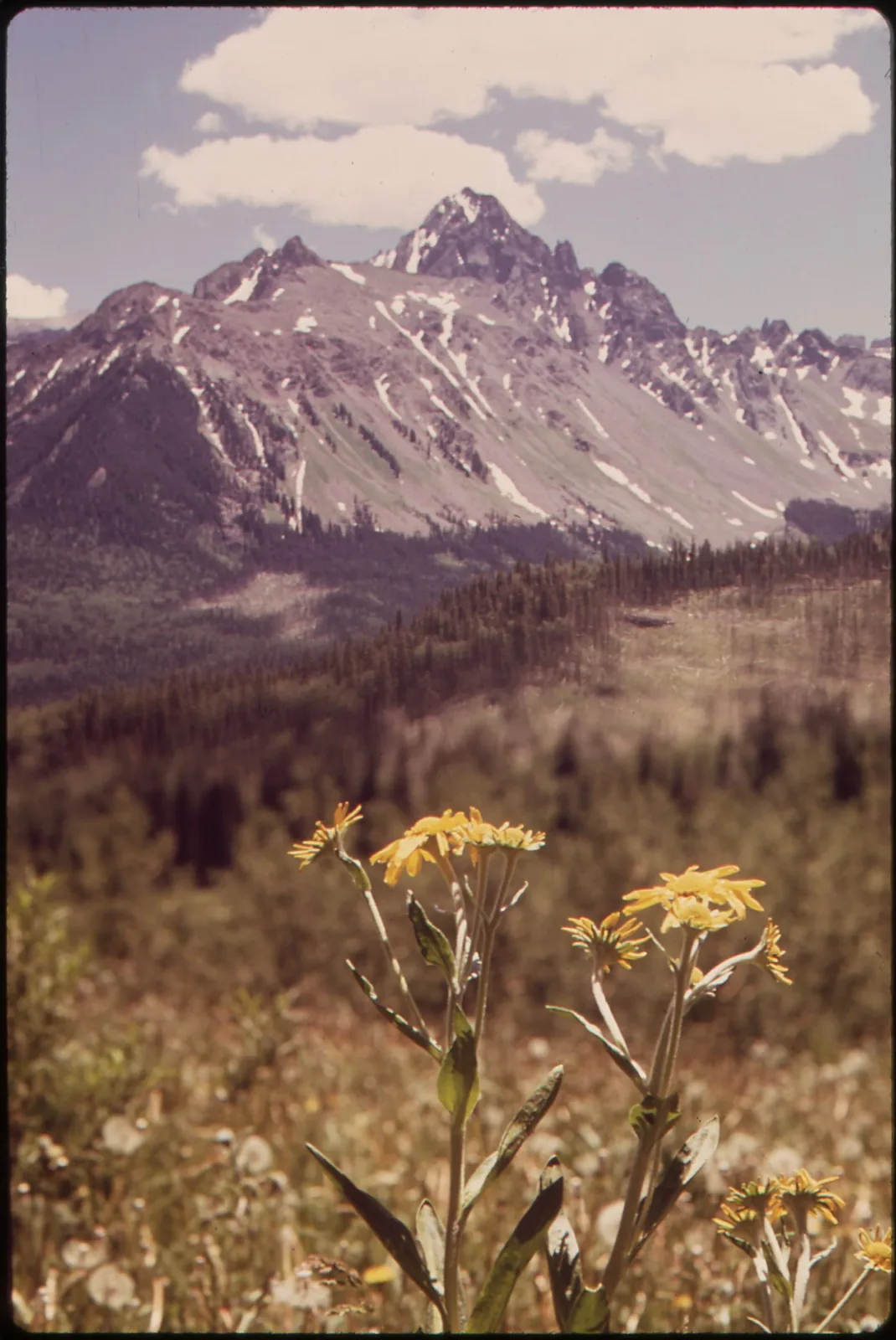
Alpine meadows occur above or near treeline, where cold temperatures, snow duration, wind, soils, and a brief growing season shape which plants can persist. A small change in snowmelt timing can affect when flowers open and how long pollinators can visit. Conditions differ across slope aspect and elevation, so a single regional average may hide important microclimates. Plant communities are also influenced by grazing, trampling, and infrastructure. A useful meadow study identifies the site and the variables measured rather than treating all alpine landscapes as one uniform habitat.
Range shifts are not a simple climb uphill
As climates warm, some species move toward cooler elevations, but not every plant shifts at the same rate or in the same direction. Soil, competition, seed dispersal, land use, and moisture can limit movement. Mountain summits also provide finite space: a species already near the top may have little suitable habitat above it. The IPCC assessment reports observed range and phenology changes across many groups, while also describing variation and limitations in attribution. This broad evidence supports concern about mountain ecosystems, but a claim about one meadow needs local repeat surveys and clear dates.
Flowering time can change before the species moves
Plants may respond to warmer springs by flowering earlier, but the response differs by species and by the cues that trigger growth. Earlier flowering can alter the timing relationship with pollinators or seed dispersers. A mismatch is a possibility to measure, not an inevitable result. Researchers can record flowering stages alongside temperature, snow cover, and pollinator activity over multiple years. A photograph taken on one visit cannot establish a phenological trend. Long-term plots are valuable because they preserve comparable observations even when a season seems unusually early or late.
Grazing and tourism belong in the analysis
Alpine meadows can be used for livestock grazing, hiking, skiing, and infrastructure. These pressures may interact with climate change, making it difficult to attribute a vegetation shift to warming alone. Hoof pressure or foot traffic can compact soil and damage plants, while grazing can maintain open habitat in some contexts and alter species composition in others. Management should follow local ecology and land-use history. Visitors can stay on marked paths and avoid collecting flowers, but practical recommendations should respect local access rules. A conservation plan is strongest when it explains how multiple pressures were considered.
Microrefugia can matter
North-facing slopes, shaded gullies, springs, and snowbeds may retain cooler or wetter conditions than the surrounding landscape. Such microrefugia can help some species persist as regional averages shift. Their value depends on topography, hydrology, and connectivity. Mapping them requires fine-scale climate data and field confirmation, not only coarse elevation bands. Protected areas that span a wide range of elevations may preserve options, but boundaries alone do not guarantee that microhabitats remain intact. Researchers can identify potential refuges and monitor whether target species continue to occupy them over time.
Restoration must respect the meadow's natural state
Tree planting is not an appropriate response to every mountain landscape. An open alpine meadow may be a natural ecosystem, and afforestation could displace its native plants. Restoration may instead focus on reducing erosion, restoring hydrology, managing grazing, or repairing damaged trails. The goal should be defined from the site's ecological history and current pressures. IUCN mountain resources and IPCC assessments offer broad context, while local vegetation surveys determine the right action. A project should track native species, soil condition, and visitor pressure rather than use tree cover as a universal measure of ecological improvement.
Follow change with repeatable plots
A monitoring plot records species presence, cover, flowering stage, and other variables at a known location and interval. Repeating the method helps distinguish a one-year anomaly from a persistent trend. Researchers should document taxonomic uncertainty and avoid moving plots without explanation. Community science can extend coverage if participants are trained to use consistent methods and data are reviewed. The IPCC's synthesis is a guide to global evidence, not a substitute for a local baseline. A compelling alpine meadow story shows what changed, what remains stable, and what evidence would be needed to understand the next shift.
Plants do not always move uphill as a single community. Seeds disperse different distances, germination depends on soil and moisture, and competition can prevent establishment beyond a current range. Long-term plots are needed to separate a temporary shift in flowering from a durable change in distribution.
Mountain tourism can add pressure through trail widening, erosion, and disturbance during short breeding or flowering seasons. Visitors can help by remaining on marked routes and following local rules. Conservation plans should identify climate refuges while recognising that some species may not be able to move fast enough.