Peatlands form where waterlogged conditions slow plant decomposition and allow partially decayed material to accumulate. Their carbon store is built over long periods, so drainage, burning, and extraction can release carbon that took centuries or millennia to collect. The same waterlogged chemistry also creates specialised habitat for plants, invertebrates, and birds.
Restoration often begins by rewetting drained peat and stabilising damaged surfaces, but outcomes depend on peat type, climate, and the surrounding catchment. A newly blocked drain does not instantly recreate an intact bog. Monitoring water tables, vegetation, and greenhouse-gas fluxes helps distinguish a promising intervention from a completed ecological recovery.
Peat is a landscape built slowly
A peatland forms where waterlogged conditions slow the decomposition of plant material, allowing partially decayed organic matter to accumulate over long periods. The result is more than a wet patch or a carbon statistic: peat soils store water, support specialised species, and shape the movement of nutrients through a catchment. Peatlands occur in many climates, from northern bogs to tropical swamps, and their vegetation and hydrology differ. A useful explanation identifies which type is being discussed. Broad claims about all peatlands can otherwise hide major differences in water table, land use, and restoration options.
The water table is the key condition
When a peatland remains wet, low oxygen slows decomposition. Drainage lowers the water table and exposes peat to oxygen, which can increase decomposition and make the soil vulnerable to erosion or fire. The effects vary with climate, vegetation, and the depth and duration of drainage. Ditches may have been installed for forestry, farming, or extraction, and restoring the hydrology can involve blocking or reconfiguring them. Rewetting is not a simple switch: managers need to understand water movement across the site and monitor whether conditions become stable enough to support peat-forming vegetation.
Carbon numbers need a boundary
Peatland carbon estimates depend on the area included, the depth of peat measured, the carbon density assumed, and whether the figure concerns stored carbon or annual emissions. These terms are not interchangeable. A global total is useful for understanding significance, but it does not tell a land manager how much carbon a particular site holds. UNEP and IUCN describe peatlands as important climate and biodiversity systems, while local inventories and measurements are needed for site-level conclusions. When a number appears in a headline, readers should check its date, units, geographic scope, and measurement method before comparing it with another figure.
Fire can transform a wet ecosystem
Peat fires can smoulder below the surface and continue after flames are no longer visible. In drained or drought-affected peat, a fire may consume organic soil and create smoke that travels beyond the immediate site. Fire risk is not uniform: a high water table, weather, ignition sources, and vegetation all influence outcomes. Prevention therefore includes maintaining hydrology, managing access and ignition risk, and preparing for periods of unusual dryness. This is not a generic fire-safety guide; local land managers and emergency services determine appropriate action. Reports should distinguish a measured fire event from a forecast of potential risk.
Peatland biodiversity is specialised
Peatlands support plants and animals adapted to acidic, nutrient-poor, or seasonally wet conditions. A restoration plan that focuses only on tree cover may damage an open bog that naturally supports few trees. Conversely, a forested swamp may require different priorities from a northern raised bog. Species lists should be tied to the local peatland type and current survey data. Protecting hydrology often benefits several ecological functions at once, but managers still need indicators for vegetation, water chemistry, and species response. A site can recover some functions while others remain altered, and that distinction deserves clear reporting.
Restoration starts with diagnosis
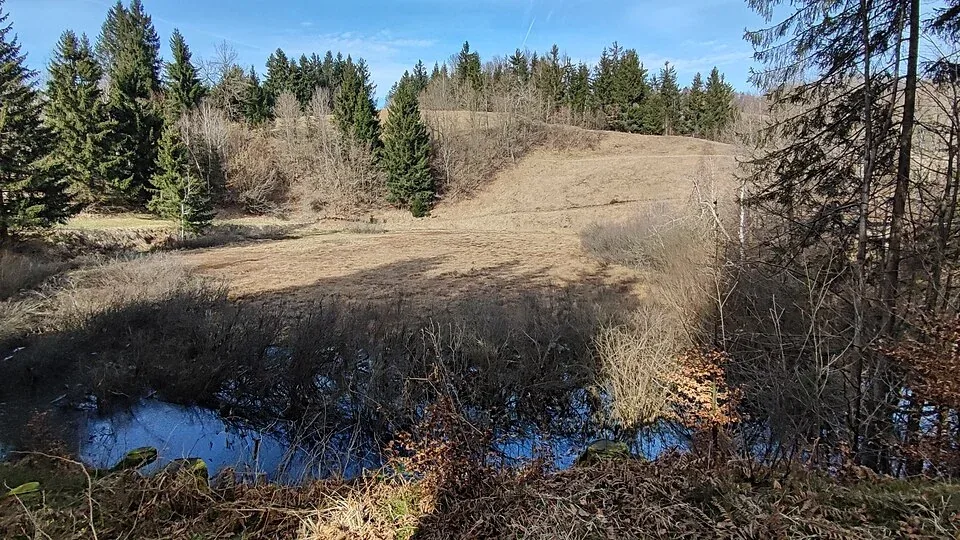
Before blocking drains or planting vegetation, practitioners need to understand why the peatland changed and where water moves. Rewetting may use ditch blocks, bunds, or changes to surrounding drainage, but the design must fit site topography and neighbouring land uses. Monitoring should include water levels and vegetation over multiple seasons, because a short visit may miss dry periods or seasonal variability. Restoration can also affect landowners or nearby infrastructure, which makes planning and communication essential. A project report is more useful when it documents the baseline, intervention, monitoring period, and unintended effects rather than presenting a photograph as proof of success.
A climate solution with limits
Keeping peat wet can reduce emissions from degraded soils and help retain stored carbon, but peatland conservation does not replace rapid emissions reductions elsewhere. Its climate value depends on the site, baseline, and management outcome. Carbon accounting should avoid double counting and distinguish avoided emissions from new sequestration. The most durable case for peatlands is broader: they hold ecological, hydrological, and cultural value that cannot be compressed into a single carbon unit. Readers can follow UNEP and IUCN resources for general context, then consult national inventories and local project monitoring for claims about a named site.
Peat depth and condition vary, so carbon estimates depend on how the site was measured and what boundaries were included. Intact peatlands also regulate water and can reduce fire risk when wet, but damaged sites may require long-term hydrological restoration. A planted surface alone does not restore the original peat-forming process.