Migratory birds use routes that span countries and habitats, so a local flock is part of a much larger annual cycle. During migration, keep distance from feeding and resting birds, especially where shorebirds gather to refuel. Stay on marked paths, keep dogs controlled where allowed, and do not enter closed or roped-off areas.
A checklist is more useful when it reports all species detected, including common ones, and notes effort and conditions. Do not approach nests or use playback to draw birds out. Regional regulations and seasonal closures can change; consult the local wildlife agency or reserve manager before visiting a sensitive site.
Migration turns a local visit into part of a larger journey
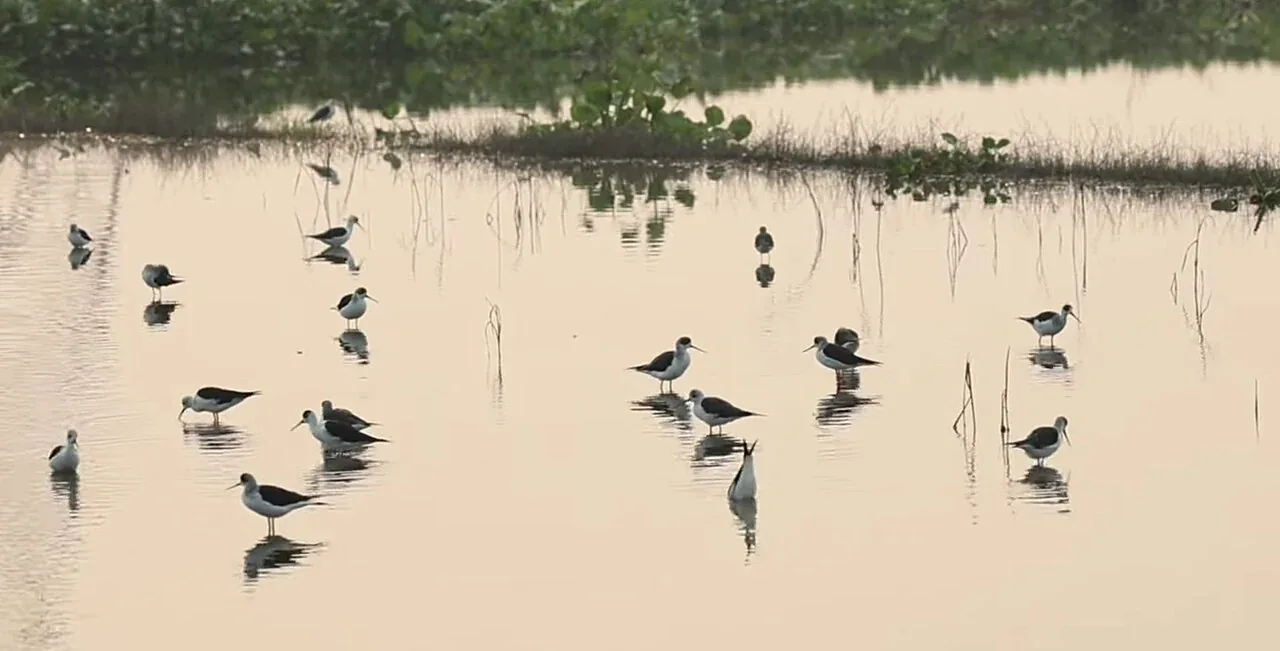
A flock resting on a beach, marsh, or lake may have travelled through several countries and may still have a long journey ahead. Stopover sites provide food and shelter that birds use to rebuild energy between flights. A visitor sees only a brief moment in that annual cycle, so a crowded viewing point can affect a place that matters far beyond the local reserve. Treating migration as a connected process helps explain why seemingly small areas of mudflat, reedbed, or shoreline can be important at particular times of year.
Resting and feeding birds need predictable space
Birds at a stopover may be feeding intensively or resting with limited reserves. Repeated flushing forces them to spend energy and can displace them from the best feeding ground. Keep to marked paths, viewing hides, and seasonal access routes, and give roosting flocks a wide berth. If birds repeatedly lift off, bunch together, call in alarm, or move away as people approach, increase distance and let them settle. The absence of an obvious reaction does not prove that close approach is harmless; disturbance can be subtle and cumulative.
Use access guidance for the site and season
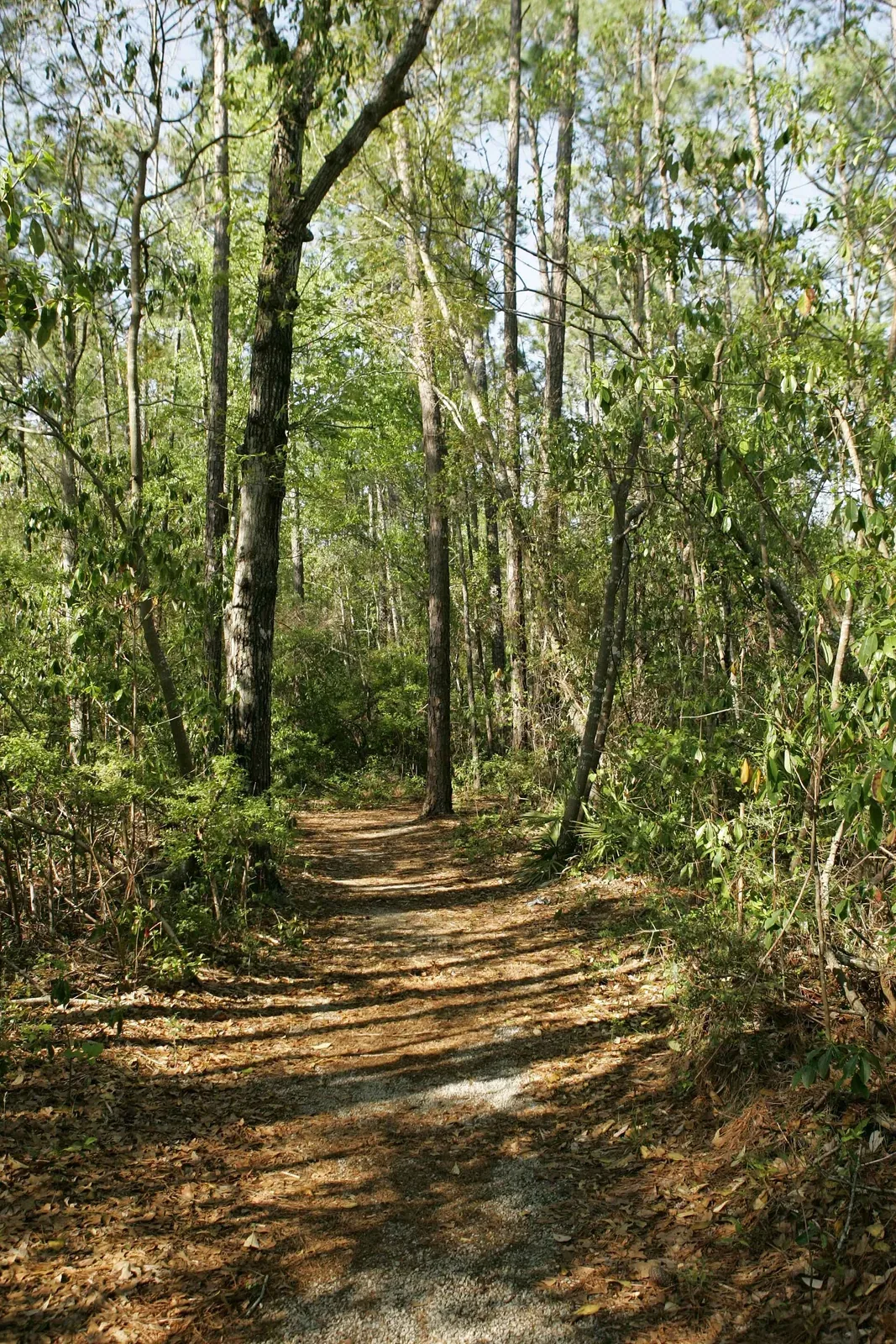
Reserve rules often change during nesting, migration, or high tides. Temporary fencing or a closed path may protect a roost that cannot be seen from the trail. Check current notices from the site manager before travelling and follow directions even when a shortcut appears empty. Dogs should remain within the rules for that location; where permitted, close control prevents sudden pursuit of birds. These are local instructions, not interchangeable global rules. A visitor should not infer access rights from a map or an old trip report when wildlife closures may have changed.
Observe with optics instead of moving closer
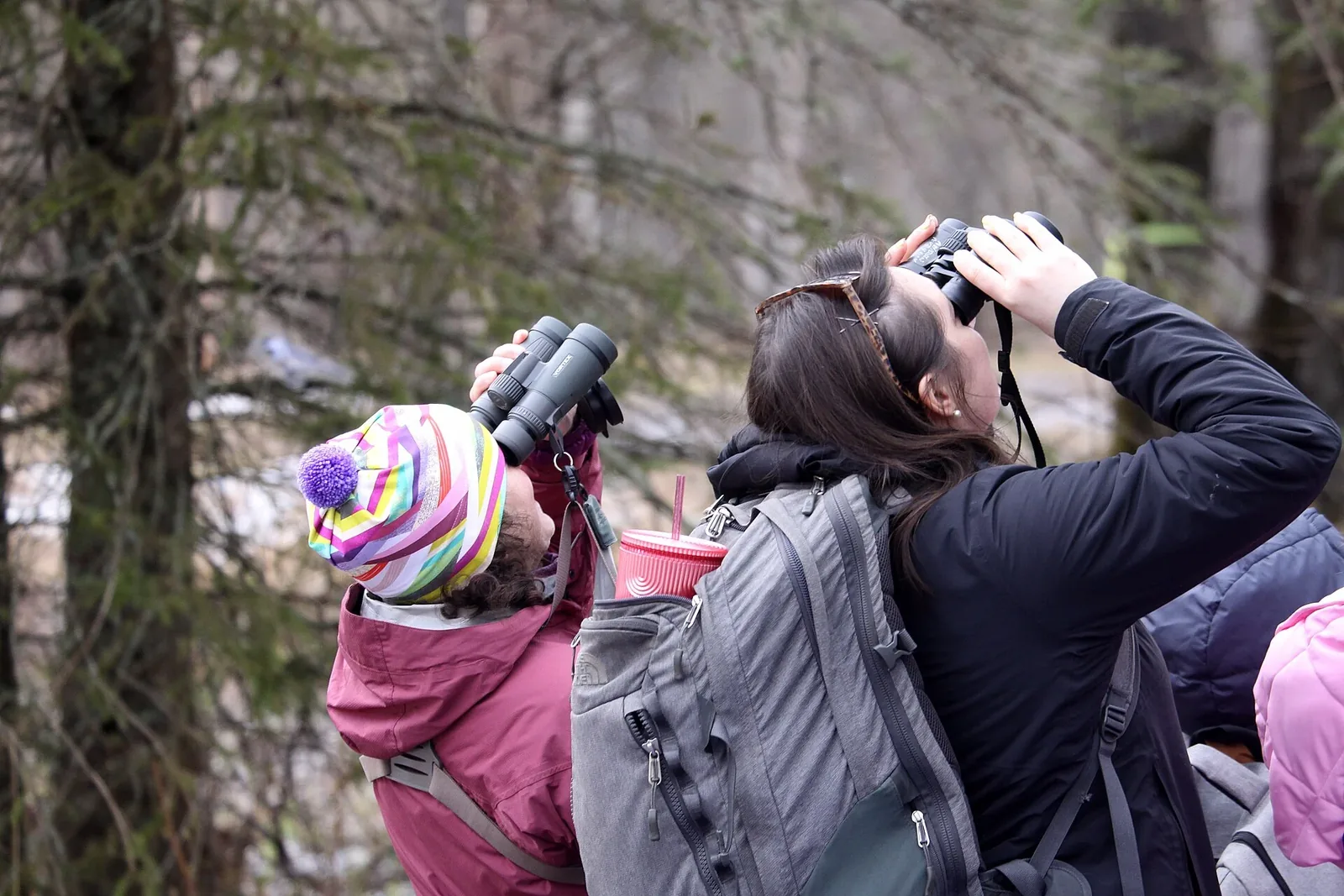
Binoculars and a spotting scope can make distant field marks visible without turning a shoreline into a chase. Set up at an established viewpoint, keep tripods and bags clear of walkways, and avoid blocking other visitors. A long lens does not make it appropriate to enter a roped-off area. If a bird is too distant for a confident identification, record the broader group or leave the name uncertain. Choosing an honest, less specific identification is better science than forcing a species label from a poor view.
Record the whole outing rather than only the rarities
A checklist that captures effort and ordinary birds can be more useful than a list of highlights. Note the time spent, route or stationary location, conditions, and which species you could identify. If you use eBird, select the protocol that describes how you watched and make a complete checklist when birding was your primary purpose. Unusual records may be flagged for review; detailed notes, photographs, or audio can help explain them. These platform procedures support data quality, but they do not replace local access rules or careful field identification.
Crowds require shared etiquette
A rare migrant can draw observers quickly. Keep paths open, avoid surrounding the bird, and take turns at a hide or narrow viewing point. Do not relay precise locations for sensitive nests or roosts to a large public audience when that could attract pressure. A group leader can help by reminding visitors to remain behind barriers and by contacting reserve staff if crowds spill into closed habitat. Responsible birding includes the effect that observers have on other people and on the site, not just their individual distance from the animal.
Leave room for the next tide and the next season
Good watching makes repeated visits possible without gradually reducing the space birds use. Choose observation points that work with the reserve's design, carry out litter, and avoid playback or feeding. If a site has no clear viewing guidance, ask its manager rather than improvising close access. Migratory conservation depends on suitable habitat across a chain of places; respectful behaviour at one stopover cannot solve larger threats, but it can avoid adding preventable disturbance. A useful field record describes what happened while keeping the birds' needs and the site's limits in view.
Weather and tides may concentrate birds at a few feeding sites, making disturbance especially costly. If a flock repeatedly lifts when people pass, move farther away or choose another route. A short-term viewing opportunity is not a reason to cross a buffer or enter a closure.
When collecting records, use the platform's protocol and note whether your list is complete or partial. Complete checklists help analysts interpret what was not detected as well as what was seen. For rare species, follow local reporting instructions because public location detail may create an avoidable risk.