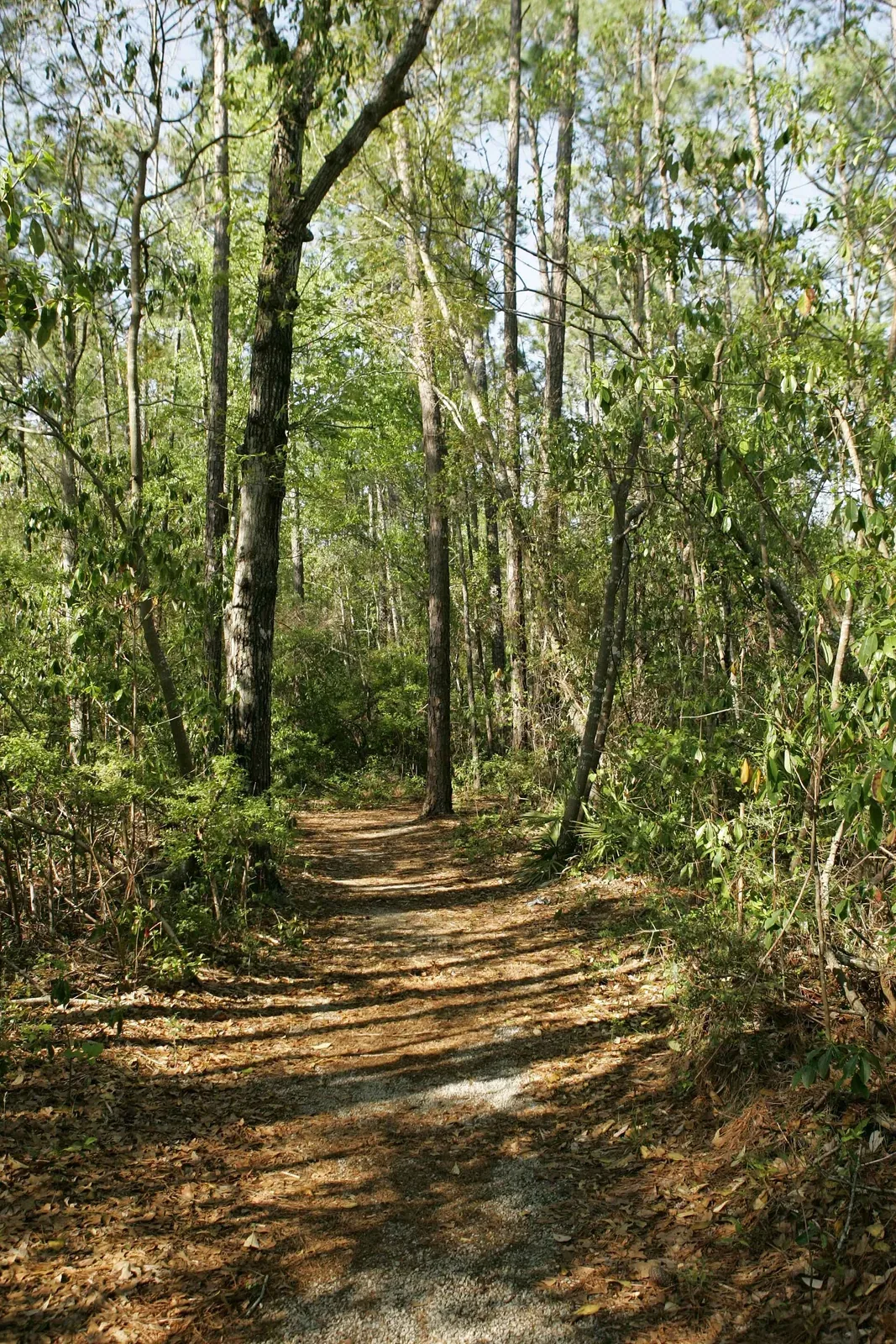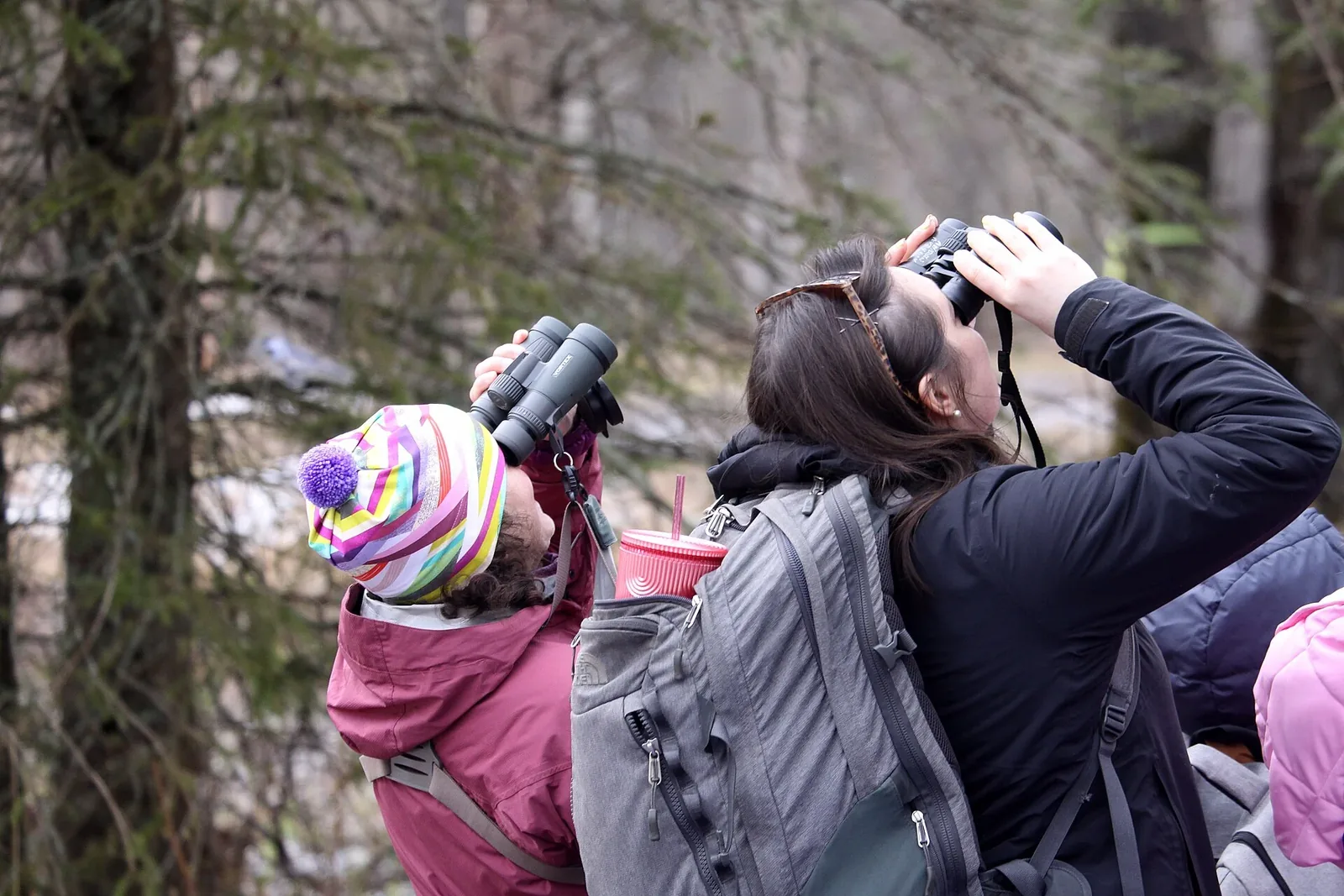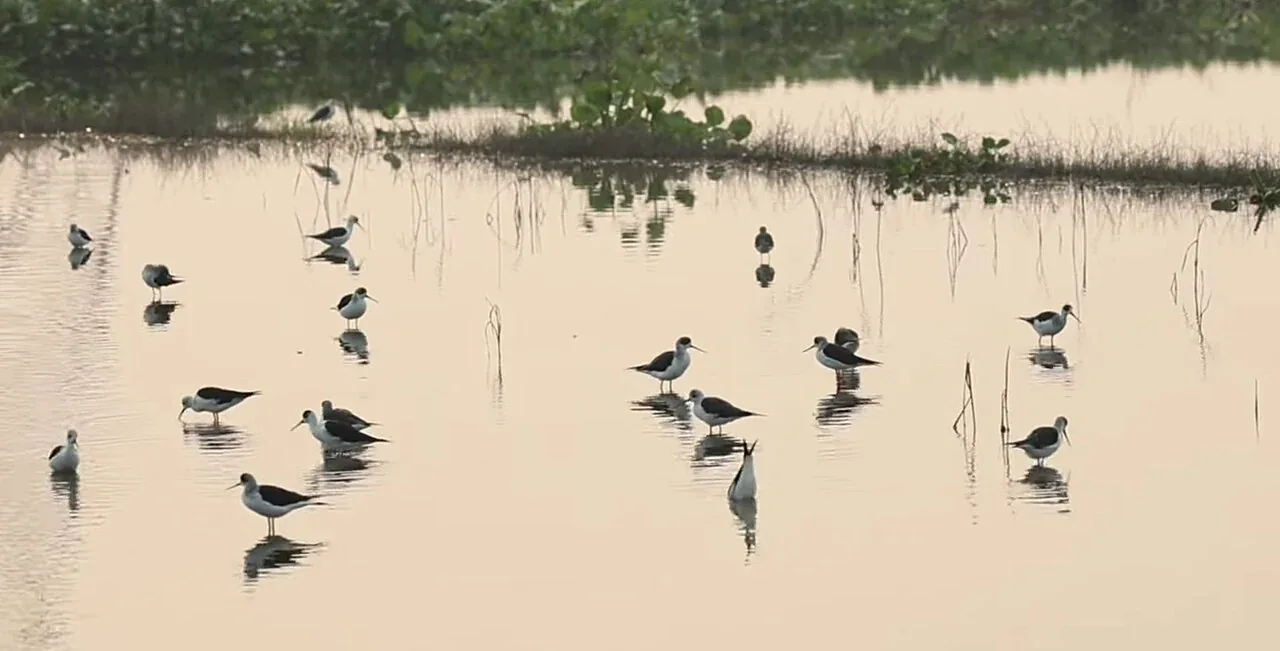
A strong wildlife photograph records behaviour without changing it. Use a long lens or binoculars, stay on permitted routes, and let the animal decide how close it comes. If an animal stops feeding, watches you, calls repeatedly, changes direction, or leaves, treat that response as evidence that you are too close and withdraw calmly.
Do not bait, flush, call, surround, or spotlight wildlife for a picture. Avoid sharing sensitive nest or den coordinates and check site-specific rules before using drones or setting up equipment. Ethical choices also apply after the shutter: describe captive or staged images honestly, preserve context, and never imply a wild encounter that did not occur.
A photograph is an encounter, not a claim of ownership
Wildlife photography can help people notice species and habitats, but the camera changes an encounter if the photographer moves too close, blocks a route, or keeps an animal in view after it shows stress. NPS guidance recommends using binoculars or telephoto lenses and leaving animals room to behave naturally. A responsible photograph begins before the shutter: learn the species' sensitivity, nesting or roosting season, and the rules of the site. The image should be made from a position that does not require bait, playback, flushing, or handling. The best record may be the one you decide not to take.
Disturbance can be subtle
An animal does not need to flee for disturbance to have occurred. It may stop feeding, alter its route, watch the observer, or spend energy maintaining distance. Repeated disruption can make an important feeding or nesting area less useful. If an animal changes behavior after noticing you, treat that as a signal to step back or leave. A long lens can reduce the temptation to approach, but it does not make a prolonged presence harmless. Photographers should consider how long they stay, whether other visitors are crowding the site, and whether their position blocks a path the animal would normally use.
Nests, dens, and roosts require extra restraint
Breeding and resting locations are especially sensitive because a parent may abandon or defend a site when repeatedly disturbed. Publicly sharing precise coordinates can draw additional visitors long after the original photographer has left. Avoid publishing location metadata when it could expose a nest, den, roost, or rare plant. Follow permits and guidance from the land manager, and do not approach merely because another person has posted a close-up image. If a photo is made under a research permit, explain the context accurately. A record created under controlled conditions should not be presented as ordinary wildlife watching.
Ethics includes sound and light
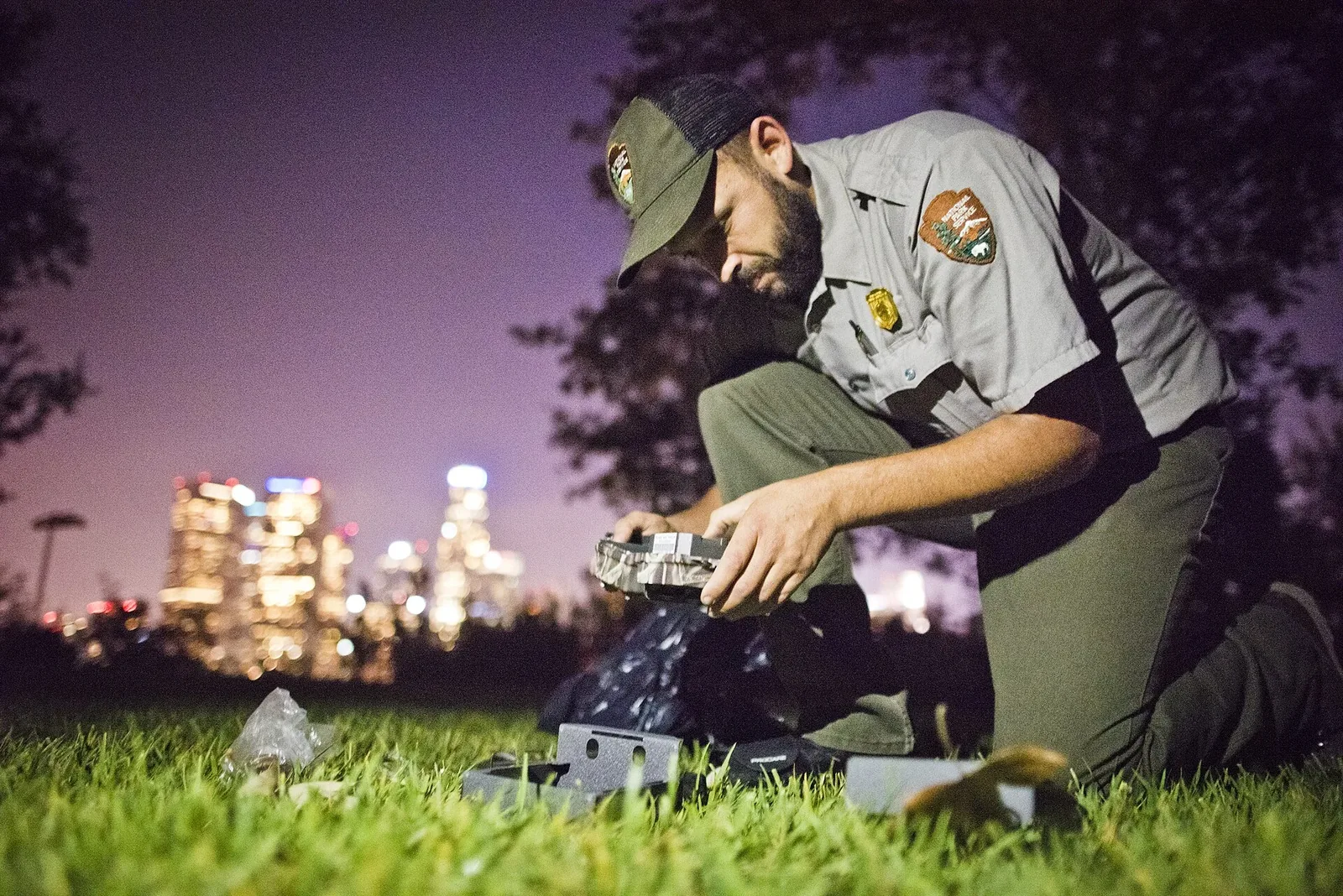
Playback calls, flash, drones, lamps, and repeated camera shutters can all affect wildlife. Their impact varies by species, habitat, time of day, and distance, so photographers should follow local rules and conservative species-specific guidance. Avoid using calls to lure an animal into view or lighting a nocturnal species for a portrait. A high-ISO photograph or a wider habitat frame is preferable to an image obtained through disturbance. When working at night, use only the equipment and methods allowed at the site, keep movement quiet, and stop if the animal reacts or the conditions make safe observation difficult.
Captions carry responsibility
A truthful caption names what is known: species when confidently identified, broad location, and the circumstances of the image. It should not imply that an animal was wild if it was captive, or that a moment was spontaneous if bait or controlled access was involved. Avoid inventing behavior from a still photograph. A bird with food in its bill may be feeding a chick, but the image alone may not show where the food went. If an image was made under managed care or a permit, say so. Transparent captions help viewers understand both the wildlife and the method behind the picture.
Sharing can amplify harm or care
Social platforms can circulate a photograph quickly, and location details may be copied beyond the original audience. Before posting, remove sensitive geotags and think about whether a rare species or nest can be identified from the background. Avoid rewarding unsafe approaches with engagement. Photographers can instead share habitat context, ethical distance, and links to local conservation guidance. If the image documents a disturbance or illegal activity, report it privately to the responsible authority before publicizing details that could draw more attention to the site.
A field code is stronger when it is practical
A useful personal code is concrete: check site rules, keep a respectful distance, stay on durable paths, never bait or call animals, protect sensitive locations, and stop when wildlife reacts. Apply the code to the entire outing, including travel, parking, and interactions with other visitors. Ethical practice is not only a matter of individual virtue; site managers, tour operators, and photography groups can set expectations and enforce them. Images that show animals in context can be compelling without close contact. The goal is to make photography compatible with wildlife behavior, not to make wildlife perform for the camera.
Before visiting a site, learn the local signs of distress and the seasonal rules that protect nesting or denning animals. A lens that produces a close frame can make a distant subject look near; keep the actual distance generous. When in doubt, stop photographing and allow the animal to resume normal behaviour.