Dawn is often a productive time to observe savanna wildlife because temperature and animal activity change through the day. The same light that makes photographs appealing can also make observers more visible, so use established viewing areas and keep a safe distance. Wildlife activity varies with season, rainfall, human presence, and species.
A useful observation describes behaviour and habitat as well as appearance: feeding, vigilance, movement, social distance, and nearby cover can make a record more informative. Do not infer abundance from a short drive or a few photographs. This page uses original illustration, not a documentary record from a particular reserve or morning.
Dawn changes the light before it changes the wildlife
On a savanna, the first light can reveal animals moving between night shelter and daytime feeding areas. The angle and colour of light alter what an observer can see, while cool air may make long walks more comfortable. But dawn is not a guaranteed wildlife spectacle. Species differ in activity, weather can suppress movement, and human presence may change animal behavior. A useful field plan begins with the target habitat and site rules, then allows time for quiet observation. The aim is to understand what the landscape is doing, not to promise a close encounter at a particular hour.
Look at edges as well as open ground
Transitions between grassland, scrub, woodland, water, and bare earth often concentrate tracks and feeding signs. A distant herd may be easier to spot in open ground, while smaller birds can use shrubs or tall grass for cover. These patterns vary with season and grazing pressure. Use binoculars to scan slowly, moving from one landmark to the next instead of sweeping rapidly across the horizon. Note the vegetation and direction of movement alongside species names. Over repeated visits, those details can help show how animals use the same landscape under different conditions.
Plan for safe, respectful observation
Before entering a park or reserve, check local rules, road conditions, access hours, and whether guided access is required. Keep a safe distance from animals and never approach a predator, herd, or nesting area for a photograph. U.S. National Park Service guidance recommends using binoculars or a zoom lens and backing away if wildlife approaches; specific distances and laws vary by site. In a vehicle, stop only in designated places and avoid blocking traffic. These practices protect observers and reduce pressure on animals that may already be using limited water or shade.
Record behavior, not just presence
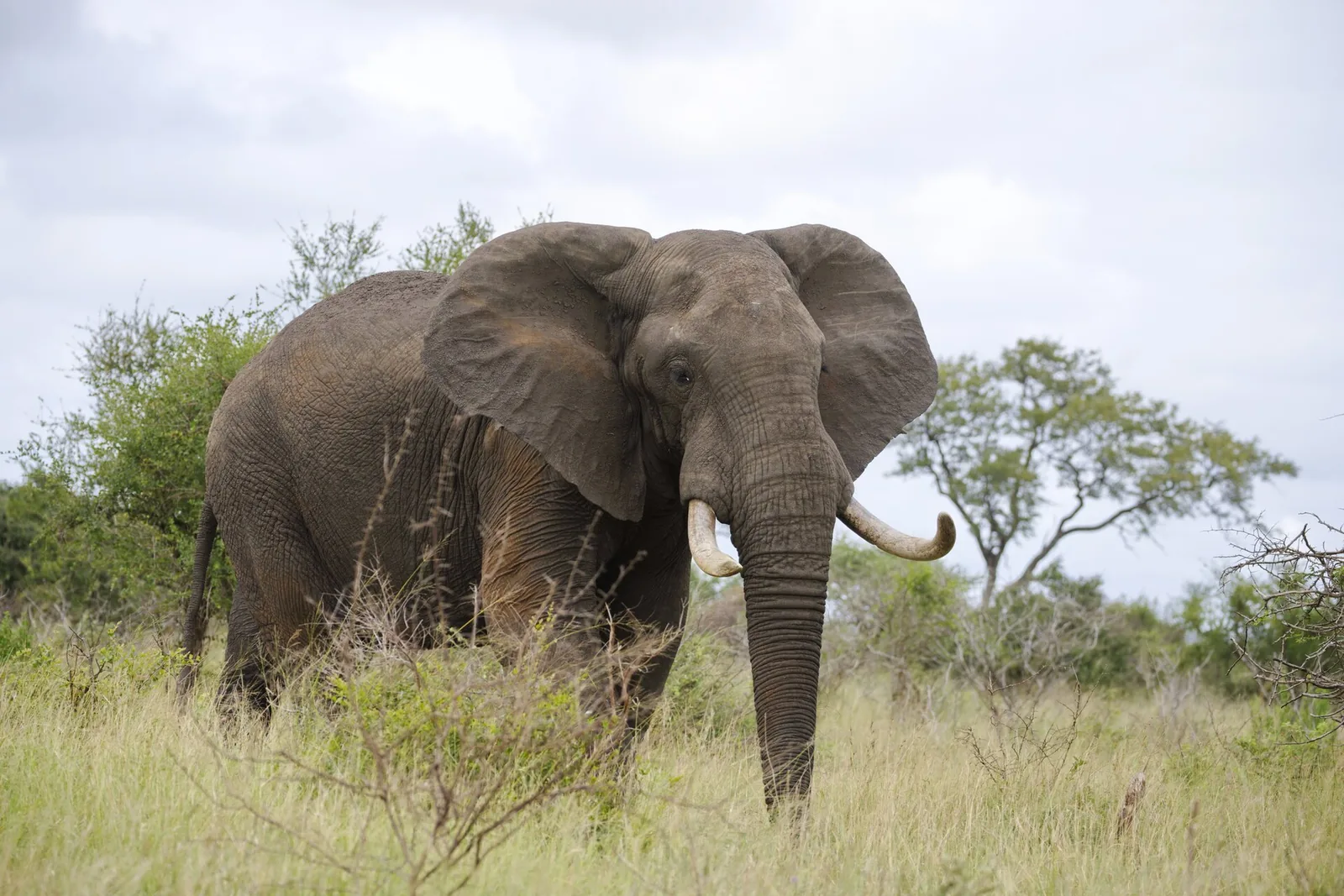
A note such as 'elephant seen' loses information that can make an observation useful. Record whether an animal was feeding, resting, moving, calling, or interacting, while avoiding interpretations you cannot confirm. Include time, weather, habitat, and distance. A photograph can help with later identification but should not be taken if it changes the animal's behavior. Repeated observations at a consistent viewpoint can reveal activity patterns, although they still do not provide a population estimate. The best field note is specific enough for someone else to understand and cautious enough not to claim more than was seen.
Light is a photographic condition, not a reason to chase
Warm light can make a scene visually appealing, but moving closer to improve the frame can disturb wildlife or put people at risk. A wider view often tells a richer story by showing an animal in relation to grass, water, or neighboring species. Keep the sun and wind in mind, but follow the animal's space rather than seeking a perfect angle. Avoid flash, bait, calls, and off-trail approaches. Ethical images can include distance and uncertainty; they do not need to make the animal fill the frame to be compelling.
Dawn is part of a longer daily cycle
The morning observation window fits into a cycle that also includes heat, shade, water, and nighttime movement. As the day warms, animals may seek cover or reduce activity, but patterns differ among species. If you revisit a place later, compare conditions rather than assuming that fewer sightings mean fewer animals. Seasonal changes in rainfall and vegetation can also affect where animals appear. A field journal that records the whole context helps separate an unusual morning from a long-term pattern. This is especially important for visitors who see a site only once and are tempted to generalize from a short visit.
Leave no trace in a living landscape
Stay on designated roads and paths, keep food and rubbish secured, and avoid driving through vegetation or approaching waterholes in a way that blocks animals. Follow guide instructions and local rules for noise, pets, and photography. Report hazards or wildlife distress to site staff instead of intervening. These actions may seem modest, but repeated visitor behavior can alter where animals feed and how they respond to people. Observing savanna wildlife at dawn is most rewarding when the landscape remains in control of the encounter and the observer accepts whatever the conditions reveal.
Dawn observation is shaped by temperature, light, and species-specific activity. Keep a field log that notes when you arrived, how long you watched, and the weather. This makes the account more informative than a list of species alone and can help explain why another observer saw something different at another time.