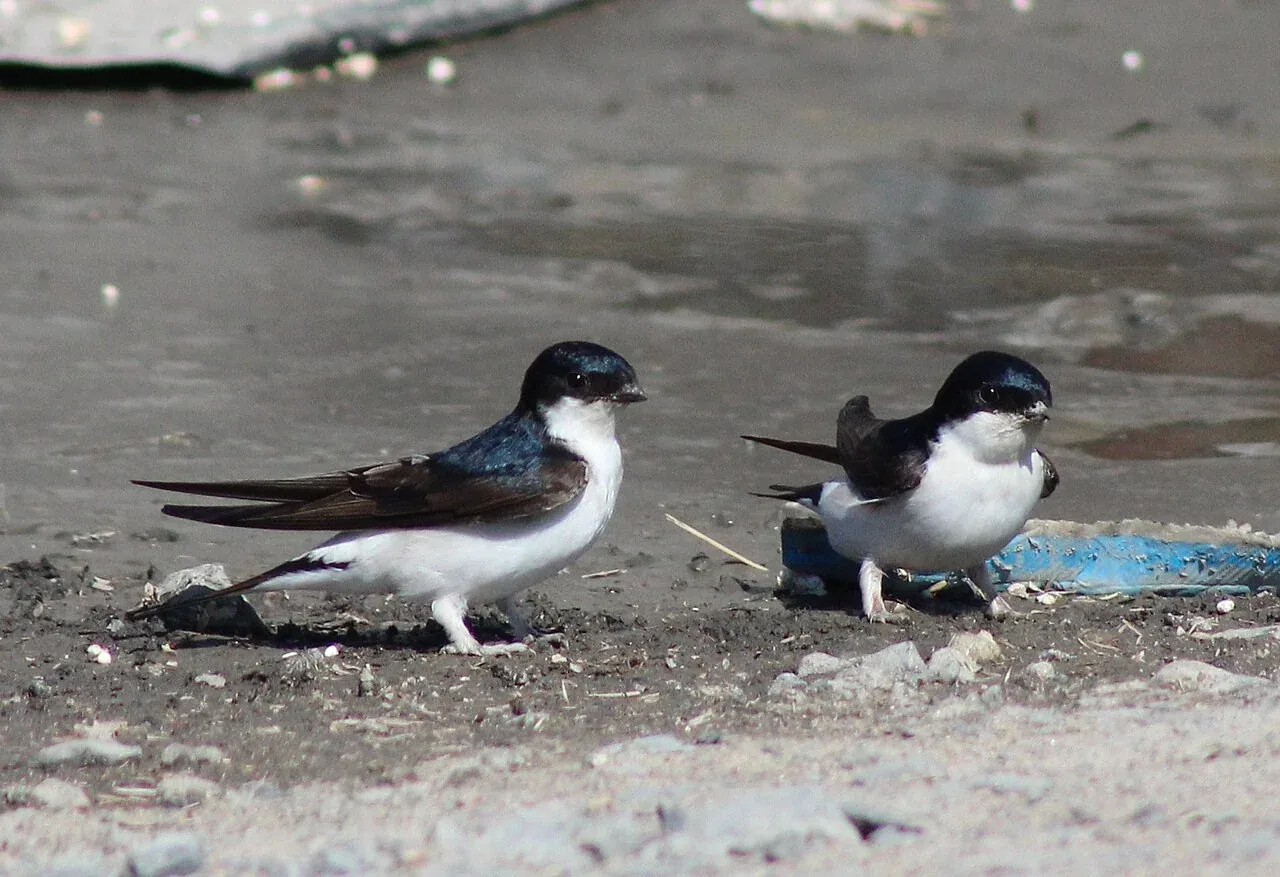
Passerines include an enormous variety of perching birds, from familiar garden species to migrants that spend only part of the year in one region. Their small size does not make them ecologically unimportant: insect feeding, seed dispersal, and movement between habitats can connect processes across a landscape.
Good bird records identify the evidence behind a name: plumage, call, season, habitat, and comparison with similar species. Submit complete checklists when using a structured monitoring project and avoid playback in sensitive periods. A portrait is an individual encounter; population trends require repeated observations with appropriate sampling methods.
Passerines are a vast branch of bird diversity
Passerines, often called perching birds, make up a large and varied order that includes familiar songbirds as well as many less conspicuous species. Their diversity spans forests, grasslands, wetlands, deserts, and cities. A group so broad cannot be explained with one typical body shape or behavior. Some species forage on the ground, others glean leaves or catch insects in flight; some migrate across continents while others remain in a small range. A useful overview makes the group feel diverse by connecting identification to habitat and life history rather than listing dozens of names without context.
Start with structure and behavior
Field identification often combines size, shape, bill, tail, wing pattern, posture, voice, and movement. Color can be useful, but light and season alter appearance, and juvenile plumages may differ from adult guides. A bird's behavior can narrow the possibilities: how it searches for food, where it perches, and whether it moves alone or in a flock. No single clue is infallible. Observers should record the features they actually saw and leave an identification at family or genus level when the evidence is incomplete. A cautious record is more valuable than a confident but unsupported species name.
Sound expands the field of view
A forest can contain many birds that remain hidden in foliage. Learning calls helps observers detect species that are easier to hear than see, but sound identification also has limits. Wind, distance, overlapping calls, and unfamiliar regional dialects can confuse an observer. Record a short note about rhythm, pitch, and context, and use a sound archive or field guide for comparison rather than assuming a memory is exact. Playback can disturb birds and should not be used casually. A good observer listens first and keeps enough distance that the bird's behavior does not change in response.
Migration makes a local list seasonal
The species present in a place can change with migration, breeding, and weather. A checklist from spring may differ sharply from one in midwinter, even when the habitat has not changed. eBird's scientific resources show how checklists can contribute to research when observations include effort and are entered consistently. That does not mean every checklist is automatically a population estimate. Observer coverage is uneven and rare records often need review. Keeping a record of time, route, distance, and whether all birds were counted allows later users to interpret what an observation represents.
A checklist needs honest effort data
A complete checklist tells data users that the observer reported all species detected during a defined outing, not just a few highlights. Duration, distance, party size, location, and whether the count was stationary or travelling affect how the record can be analyzed. eBird's review process uses automated filters and regional expertise to flag unusual reports for additional documentation. This is not a guarantee that every record is correct; it is a quality-control pathway. Observers should keep notes while in the field and include details for rare or unexpected sightings. A photograph or audio recording can help reviewers, but only when obtained responsibly.
Habitat explains why birds gather
A hedgerow, wetland edge, canopy gap, or coastal scrub patch can offer food and cover that are scarce nearby. Observing where birds forage can reveal habitat use, but a few visits do not establish preference. Researchers compare locations and seasons, and may account for availability, detectability, and observer effort. When describing a birding site, use habitat features the reader can recognize and say whether a result comes from formal research or personal observation. Broad labels such as 'healthy forest' require evidence; a diverse bird list alone does not tell us whether the habitat is intact or recovering.
Keep the bird and its location safe
Birders can support conservation by avoiding nests, keeping distance, staying on marked paths, and following local guidance on sensitive species. Some data platforms restrict exact locations to reduce disturbance or collection risk. Respect those limits rather than inferring a nest site from a photograph. If you lead a group, avoid crowding a bird and consider how your presence affects other visitors. A species list can be shared without exposing every coordinate. The most useful birding record is one that can help scientists understand distribution while protecting the animal that made the record possible.
Bird diversity can be measured in several ways, including species richness, occupancy, abundance, and functional traits. Each answers a different question. A garden list may describe what was present during one visit, but it cannot stand in for a regional trend without consistent effort across places and years.