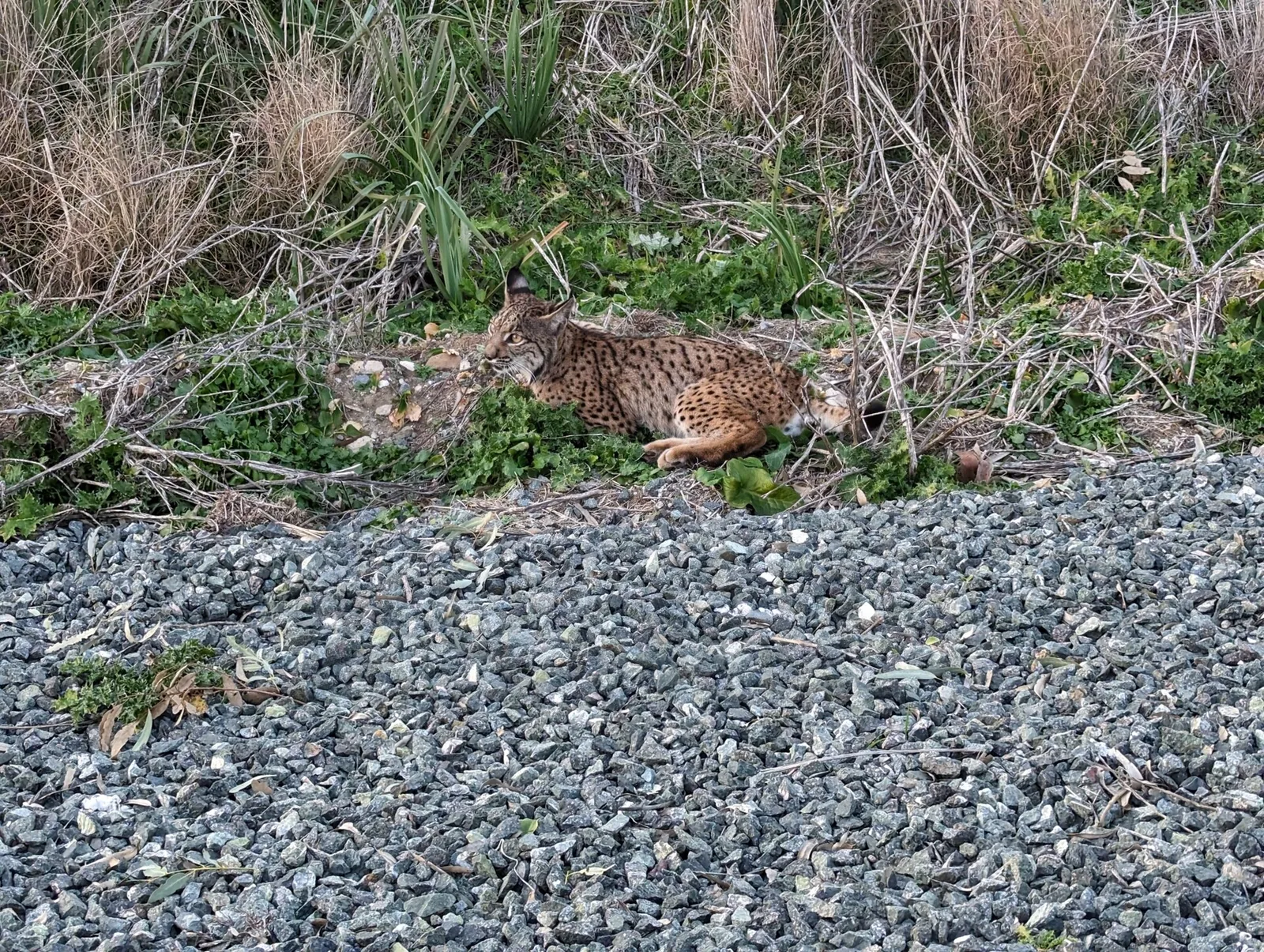
The Iberian lynx story is a conservation recovery case, but its geography matters. The 2024 IUCN assessment changed the species from Endangered to Vulnerable after numbers and range expanded; the assessment reports more than 2,000 animals in Spain and Portugal in 2023. That is a status assessment with a date and method, not a guarantee that the recovery is secure.
Recovery depended on several linked actions: restoring Mediterranean scrub, increasing European rabbit availability, captive breeding and release, and reducing road deaths. The useful lesson is that a corridor is not merely a strip on a map. It must connect suitable habitat and prey populations while accounting for roads and human land use. Local monitoring remains necessary because abundance can change faster than a global category.
A recovery measured across a peninsula
The Iberian lynx is a useful case study because its comeback can be traced through several kinds of evidence rather than a single dramatic sighting. The 2024 IUCN reassessment moved the species from Endangered to Vulnerable after a sustained rise in abundance and occupied range. That category change matters, but it does not mean the work is finished: Vulnerable still describes a species facing a real risk of extinction in the wild. A status label is a summary of evidence at a particular time, not a certificate that every local population is safe.
Why the rabbit belongs in the story
The lynx is a specialist predator, and the European rabbit is central to understanding its fortunes. When rabbit populations collapse, a lynx territory can lose much of its food base even if scrub remains on a map. Recovery programmes therefore combined habitat work with prey management, disease monitoring, captive breeding, and carefully planned releases. This is a more useful explanation than saying that a charismatic cat was simply protected. It shows how a conservation intervention has to account for relationships between species, land use, and the conditions that let animals survive after release.
Corridors have to work on the ground
A corridor is functional only when an animal can use it to move between places that provide food, shelter, and breeding opportunities. Mediterranean scrub, patches of woodland, rabbit-rich areas, and safe crossings all matter. A mapped connection can fail if a road creates a mortality bottleneck or if the intervening cover is too exposed. This is why corridor planning benefits from field signs, camera records, road-kill data, and landowner knowledge together. Connectivity should be evaluated as a living process, not inferred solely from green shapes on a regional map.
Reintroduction is a chain of decisions
Releasing captive-bred animals is only one stage in a longer sequence. Teams must choose a receiving site, assess prey and threats, prepare animals for release, track their movements, and respond when they disperse toward roads or settlements. The genetic contribution of founders also needs attention so that a growing population does not depend on a narrow set of lineages. A release count records an action; survival, reproduction, and movement between populations are closer to measures of lasting recovery. Public reporting is strongest when it separates those indicators instead of combining them into one success number.
The remaining pressures are practical
Road collisions, illegal killing, disease, habitat change, and fluctuations in rabbit abundance can all interrupt progress. These pressures differ from place to place, so a peninsula-wide average can hide local trouble. Safer crossings and fencing can reduce collision risk when they are correctly placed and maintained, while disease surveillance can help explain sudden changes in prey. Land-use planning also matters: a new barrier may affect movement long before it appears in a species census. Continuing recovery means keeping these ordinary pressures visible after the headline-making population increase.
How to read the headline numbers
Population estimates should be tied to a date, geography, and method. The 2024 IUCN announcement reported a sharp improvement from the early 2000s and noted more than 2,000 lynx when young and mature animals were counted together; those are not interchangeable with a count of mature individuals. Comparisons are meaningful only when readers know which categories were counted and how surveys were coordinated across Spain and Portugal. If later assessments use revised methods, a changed estimate may reflect both biological change and improved detection. Good conservation communication explains that distinction plainly.
What a durable recovery would look like
The most convincing next chapter would be a connected, genetically healthy population that remains resilient through prey disease, weather extremes, and changing land use. That requires long-term monitoring beyond protected-area borders and cooperation among public agencies, researchers, landowners, and communities. The lynx story offers encouragement because several interventions worked together, yet it should not become a universal recipe. Other species have different diets, movement patterns, and social contexts. The transferable lesson is narrower and more useful: identify the limiting relationships, measure outcomes over time, and adapt when the evidence shows that an intervention is not working.
The recovery also depends on rabbit disease and land management beyond protected boundaries. If prey collapses or safe movement routes are cut by roads, released lynx cannot compensate for those pressures. The conservation programme is therefore best understood as a coordinated landscape effort, not a single breeding intervention.