A predator's return can change where prey feed and move, but ecological effects are not automatic or uniform. The widely discussed Yellowstone example has generated debate precisely because vegetation, hydrology, hunting, and other predators also shape observed change. Carpathian valleys have their own land use, prey base, and human-wildlife context; Yellowstone findings should not be presented as direct evidence about them.
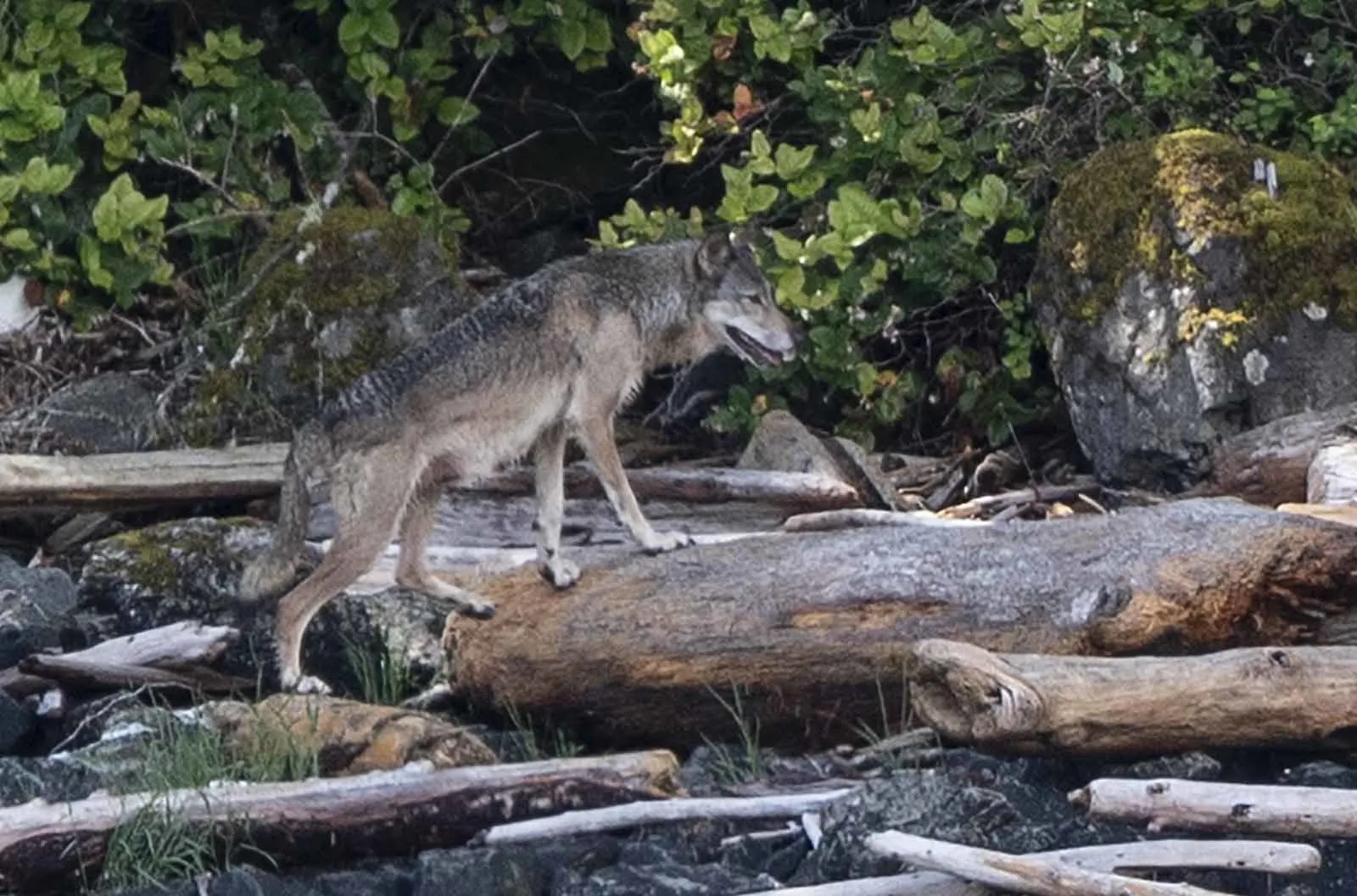
For grey wolves, useful local evidence includes verified presence, pack and prey monitoring, livestock-loss records, and habitat connectivity over multiple years. Management choices also depend on local law and community priorities. This article treats trophic cascades as a testable ecological hypothesis and explains why attributing a valley-wide transformation to one species requires stronger evidence than a before-and-after anecdote.
A wolf story needs a defined landscape
The word 'recovery' can describe different things: a species returning to a region, a pack becoming established, or a population reaching a management target. Yellowstone National Park's wolf restoration is a documented case, but its history should not be treated as a direct forecast for every mountain valley in the Carpathians. Wolf ecology depends on prey, habitat, human tolerance, law, and the way livestock are managed. A useful article separates the evidence from Yellowstone from questions about another region, rather than transferring outcomes across continents simply because both places contain forests and large carnivores.
Predators move through human-shaped terrain
A wolf's range can include forest, pasture, roads, settlements, and protected land. Maps of forest cover therefore offer only part of the story. Radio telemetry, genetic sampling, verified tracks, and camera traps each show different aspects of movement and presence. A detection near a village does not prove that wolves are permanently occupying that village, just as a period without records does not show that the animals have disappeared. Reports should state the observation period, verification method, and geographic scale. This protects readers from mistaking a single encounter for a population trend.
Trophic effects are questions, not slogans
Wolves can influence prey behavior and numbers, and those changes may affect vegetation or the movement of other species. But ecological cascades are not automatic and do not have the same strength in every ecosystem. Studies may find effects that depend on prey density, hunting, weather, landscape structure, and human activity. The phrase 'wolves restore the ecosystem' compresses a complicated set of relationships into a verdict. A stronger account asks which species changed, how the change was measured, what alternative explanations were tested, and whether the result persisted over time.
Yellowstone's record and its limits
The National Park Service describes the reintroduction of wolves to Yellowstone and the monitoring that followed. That record helps readers understand how a restoration programme is documented: animals were released, packs established, and subsequent ecological and population questions were studied. It does not remove uncertainty about causal effects. Yellowstone is a bounded, well-studied landscape with its own prey community and management context. Comparisons with the Carpathians should therefore focus on methods and questions—such as how to track packs or monitor prey—rather than assuming that identical ecological outcomes will follow from a similar intervention.
Living alongside wolves takes specific measures
For livestock owners, the relevant question is often not an abstract debate about trophic cascades but whether animals can be protected during a vulnerable season. Guarding, night enclosures, livestock guardian animals, carcass management, and rapid verification of losses are among the tools used in different settings. Their effectiveness and cost vary, so local programmes should measure outcomes and include the people expected to use them. Compensation schemes also need clear rules and prompt review. Conservation plans are more credible when they acknowledge both the ecological value of wolves and the practical burdens that can fall on rural households.
Conflict data need context
A reported livestock loss is important, but its cause should be verified where possible. Misidentification, missing animals, and delayed reporting can complicate the record. Conversely, a system that is hard to access may undercount losses. Researchers and agencies can improve understanding by publishing how incidents are confirmed, what evidence is retained, and how compensation decisions are made. Local interviews should avoid treating every resident as holding the same view. Transparent, respectful collection of evidence can show where a conflict is concentrated and whether mitigation is making a measurable difference.
What long-term evidence can answer
A careful evaluation would compare wolf occupancy, pack reproduction, prey trends, vegetation indicators, human-caused mortality, and livestock losses across a defined period. It would distinguish correlation from causation and include management changes that occurred at the same time. Some effects may emerge quickly, while others require years of repeated data. A concise annual report can still be useful if it states its limits and preserves comparable methods. For the Carpathians, the priority is region-specific evidence: where wolves travel, how local prey and pastoral practices shape interactions, and which interventions communities consider workable.
Trophic cascades are difficult to isolate because ecological systems have multiple interacting causes. Researchers can compare sites, use long-term records, and measure vegetation and prey behaviour, but they must account for hunting, livestock, tourism, and climate. A plausible mechanism is not by itself proof that a specific change was caused by wolves.